
KEEPING BULLIES AWAY
By: Akena Andonegui Segovich
Tim O´Reilly wrote the Blogger´s code of conduct based on his friend Kathy Sierra’s revelation. She received violent comments from anonymous bloggers on her blog. Chris Locke the person who is thought of opening “the meankids site” argued in an email that it was not meant to harm. Unfortunately this is not the only case of cyber bullying.
Below are some ideas in progress of how the code of conduct should be based on Kathy Sierra´s case.
1) TAKE RESPONSIBILITY FOR YOUR WORDS AND FOR COMMENTS POSTED BY OTHERS
As owner of your page and blog it is your responsibility to put the limits of what kind of posts are expected on your blog. The environment of our blog should be examples of what is expected.Therefore the content shouldn´t have any unacceptable context. This means that it shouldn’t be abusive, harassing, or threatening to a person or persons. This includes spreading false information or misrepresentative of another person (O’Reilly Tim, 3AD. ). Moreover plagiarizing should not be done and in Electronic Frontier Foundation Legal Guide for Bloggers you may be informed. It should be referenced so that the reader has information on the paper as well as for the proper use of the information. In addition, the content shouldn’t violate any moral right of any third part. For example, confidentiality, privacy, or paid editorial content from a third party. Setting standards doesn’t mean you are not letting people discuss you are just guiding them to what kind of discussions you are expecting. Chris Locke deleted the mean comments from his blog but it would have been better if instead he made clear on his site that the comments were unacceptable. It is good practice to say why you are deleting a comment. We should have the policy of deleting ads, or insulting and threatening posts. However, bloggers have the responsibility to keep comments and not delete them solely because they express opinions you don’t agree with.
2) LABEL YOUR TOLERANCE LEVEL FOR ABUSIVE COMMENTS
Another great idea form the brainstorming which took place at Tim O´Reilly´s conference is to show in your blog that you won’t accept foul language and insulting comments. A way of showing what level of discourse you accept is by putting a badge on the blog as a symbol that only proper discussion is expected. Another way of setting standards is to write on your page what you expect and tolerate. At the Blogger’s community guidelines you can also find ideas on code of conduct example.
3) WE CONNECT PRIVATELY BEFORE RESPONDING PUBLICLY
It is improper to answer back because you would be doing the same. Don’t right anything online that you wouldn´t say in person. A public forum is a terrible place to write express your anger. A way of helping you is to think that you are speaking to a big and muscular man. More solved if you connect to the person privately and directly or find an intermediary to do so before publishing a post or comment about the topic. Tim O´Reilly was the intermediary of Kathy Sierra and many things were cleared. Tim found out that Chris Locke´s blog had been hacked and that the posts were not made by him. Chris came forward and assured to Kathy that he didn’t want to hurt her, but Kathy has the fear that there is an anonymous stalker. This why it is good to clear things personally and most importantly, to avoid encouraging bullying. Anonymous comments should be considered to be eliminated, because the person may be more tempted not to follow the code of conduct. Anonymity is mostly used for political in repressive regimes. On the other hand anonymity may encourage great discussions because the person feels more comfortable and free to express themselves.
4) WE TAKE ACTION WHEN WE SEE SOMEONE UNFAIRLY ATTACKING ANOTHER
Sometimes it is needed to stand up to bullies, but in some cases it is better to ignore them. If you continue the public attacks you are letting the bully feed his ego by letting him continue to put others down. A solution is to ban the IP address of the person who violates your standards(O´Reilly Tim, 8AD.). A good way of communicating with the person is to let them know they acted inappropriately without shaming and asking them to make amends publicly. If the person still doesn’t withdraw the comments and they are a threat then we will use law enforcement to protect the target of the threat.
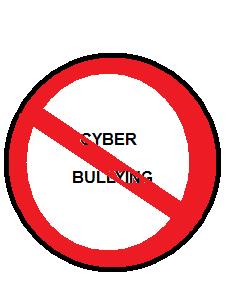
A positive symbol instead of the Sheriff´s badge as a symbol of respect would be more popular. A site could use a logo with a link which takes you to the text on the site. Also a site which inspires a higher level of journalistic integrity might want a link to their fact checking policy. Each site would link the logo to the particular policy wanted. A really useful tool is Lybrarything , it lets users flag inappropriate comments which then become a click to see. The message is no longer immediately visible because it was flagged. John at librarything was presented to the persons at Movable type, WordPress, and Blogger and hopefully they´ll make it. From observation it is seen that people who ca n easily make up a pseudonym and write a post on a wall tend to be mean. This shows that anonymity and a lack of consequences result in undesirable ways. However, just because the email address or other form of identification is required, it doesn’t mean that it is easy to trace the person on the other side (Lessons Learned) . The person who has problems with anonymous bullies, then the site could require proof of identity in exchange for participation. We are responsible for the tone we allow on our site to help prevent cyber bullying. If you were the next victim of bullying and that is why it is important to stop it.
References:
Anon, Code of Conduct: Lessons Learned So Far – O’Reilly Radar. Available at: http://radar.oreilly.com/2007/04/code-of-conduct-lessons-learne.html [Accessed November 13, 2012a].
Anon, Goodbye | Recommend Site Improvements | LibraryThing. Available at: http://www.librarything.com/talktopic.php?topic=8702 [Accessed November 13, 2012b].
Anon, Legal Guide for Bloggers | Electronic Frontier Foundation. Available at: https://www.eff.org/issues/bloggers/legal [Accessed November 13, 2012c].
Anon, What are your community guidelines? Available at: http://www.blogher.com/what-are-your-community-guidelines [Accessed November 13, 2012d].
O´Reilly Tim, 8AD. Draft Blogger’s Code of Conduct – O’Reilly Radar. Available at: http://radar.oreilly.com/2007/04/draft-bloggers-code-of-conduct.html [Accessed November 13, 2012].
O’Reilly Tim, 3AD. Call for a Blogger’s Code of Conduct – O’Reilly Radar. 11-04-2007. Available at: http://radar.oreilly.com/2007/03/call-for-a-bloggers-code-of-co.html [Accessed November 13, 2012].
Anon, tim.oreilly.com — Various Thing I’ve Written: Tim O’Reilly’s Archive. Available at: http://oreilly.com/tim/ [Accessed November 13, 2012e].
 Mindbenefits Neurofeedback - The Prize Of Training
Leave a comment
Comments feed for this article